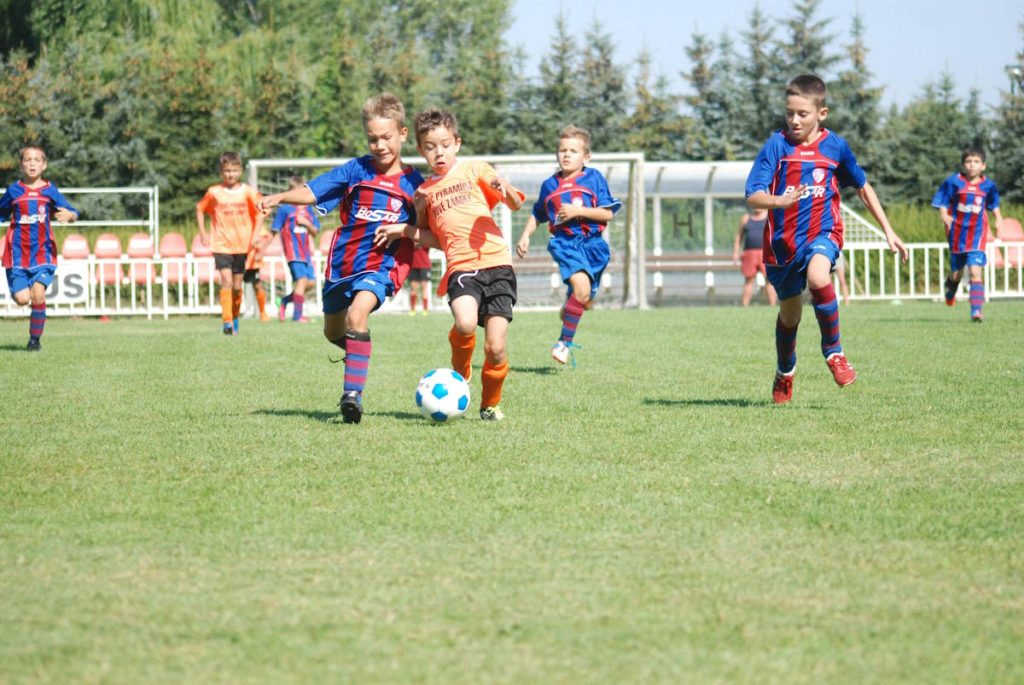
If you’re new to youth football, the phrase “grassroots football” gets used a lot — and rarely explained.
For parents standing on the sidelines for the first time, it can all feel slightly overwhelming.
So let’s slow it down.
Grassroots football in England is not about producing the next Premier League star. It’s about giving children a place to play, learn, grow and belong. Everything else is secondary.
This guide explains what grassroots football in England really is, how it works, and why it plays such an important role in children’s lives.
What Does “Grassroots Football” Mean?
Grassroots football refers to the foundation level of the game in England. It includes:
- Local football clubs
- Youth teams and junior leagues
- Community-run teams
- Volunteer coaches and organisers
- Children playing for enjoyment, development and participation
In simple terms, it’s football before academies, contracts and professional pathways come into the picture.
Most children who play football in England do so at the grassroots level — often starting as young as four or five — and many continue for years purely because they enjoy it.
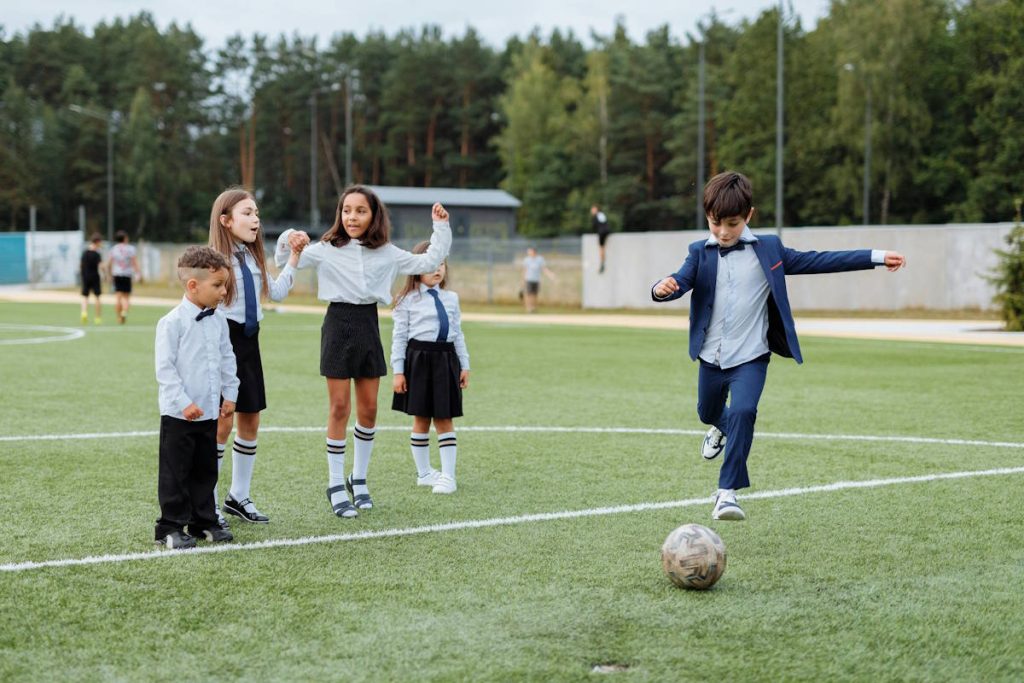
How Grassroots Football Works in England
Grassroots football is typically organised through:
- Local clubs, like Kewford Eagles
- County FA leagues, aligned with The FA
- Volunteer coaches, often parents or former players
- Age-group teams, focused on development rather than results
Training usually takes place once or twice a week, with matches at weekends during the season. The structure is designed to be accessible, affordable and inclusive.
Behind the scenes, there’s a lot of organisation — safeguarding, coach education, league rules — but for children, it should feel simple: turn up, play football, go home smiling.
Is Grassroots Football Competitive?
Yes — but not in the way people often fear.
At younger ages, grassroots football in England focuses on:
- Skill development
- Confidence on the ball
- Teamwork and communication
- Enjoyment of the game
Winning and losing happen, of course. But they’re not the main measure of success.
A good grassroots club cares far more about:
- Whether children feel welcome
- Whether they’re improving at their own pace
- Whether football remains fun
That balance matters. Too much pressure too early is one of the biggest reasons children drop out of sport altogether.
What Are the Benefits of Grassroots Football for Children?
Parents often notice the benefits long before children do.
Grassroots football helps children develop:
- Confidence – trying new things in a safe environment
- Resilience – coping with mistakes and setbacks
- Social skills – working as part of a team
- Physical health – movement, coordination and fitness
- Routine and discipline – turning up, listening, trying again
Importantly, these benefits extend well beyond football. The lessons learned on a muddy pitch often show up at school, at home, and later in life.
Do Children Need to Be “Good” to Join Grassroots Football?
No — and this is one of the biggest misconceptions.
Grassroots football exists for all abilities:
- Complete beginners
- Confident players
- Children who are shy or unsure
- Children who just want to run around with friends
Good clubs meet children where they are. Progress looks different for every player, and that’s exactly how it should be.
The Role of Parents in Grassroots Football
Parents are a huge part of the grassroots game — often without realising it.
The best support usually looks like:
- Encouragement, not pressure
- Praise for effort, not just results
- Letting coaches coach
- Helping children enjoy the experience
Most children don’t remember the scorelines. They remember how football made them feel.
Why Grassroots Football Matters More Than Ever
In a world full of screens, schedules and pressure, grassroots football offers something simple and powerful:
- Fresh air
- Movement
- Belonging
- Shared experiences
Local clubs keep communities connected. They give children a place where they’re known by name, not number.
That’s something worth protecting.
Grassroots Football at Kewford Eagles
At Kewford Eagles, grassroots football means:
- A safe, welcoming environment
- Qualified, supportive coaches
- Focus on development and enjoyment
- Clear values on respect and behaviour
- Football that puts children first
Whether a child stays for one season or ten years, the goal is the same: that football remains a positive part of their life.
Thinking About Getting Started?
If you’re considering grassroots football for your child and would like to learn more, you can find full details on how to join Kewford Eagles and what to expect from your first session.
Grassroots football starts with a single step — often on a cold morning, with a slightly oversized kit and a big smile.
And that’s exactly how it should be.
Frequently Asked Questions
What age can children start grassroots football in England?
Most children can start grassroots football from around 4–5 years old, depending on the club. At these ages, sessions are usually play-based and focus on movement, coordination and enjoyment rather than formal football rules.
How much does grassroots football usually cost?
Costs vary by club, but grassroots football is designed to be affordable. Fees typically cover training, league registration, insurance and equipment. Many clubs offer payment plans or reduced fees where possible.
Do grassroots football clubs train all year round?
Most grassroots clubs follow the football season, with training and matches during term time. Some clubs offer off-season training, development sessions or informal football during the summer months.
Is grassroots football safe for young children?
Yes. Clubs affiliated with County FAs must follow strict safeguarding guidelines, including DBS-checked coaches, child welfare officers, and clear codes of conduct. Parents are encouraged to ask clubs about their safeguarding policies.
Can children join a grassroots football club mid-season?
In many cases, yes. Grassroots clubs often welcome new players mid-season, especially at younger age groups. Availability depends on team numbers and league rules, but it’s always worth asking.
What equipment does a child need to start grassroots football?
Very little. Usually:
- Football boots or trainers (depending on surface)
- Shin pads
- Comfortable sportswear
Clubs often provide balls and training equipment.
How long are grassroots football training sessions?
Training sessions typically last 45 to 75 minutes, depending on age group. Younger children train for shorter periods to keep sessions engaging and enjoyable.
Do grassroots football clubs help children who are shy or lack confidence?
Yes. A good grassroots club understands that confidence develops at different speeds. Supportive coaching, small-group activities and encouragement help children grow both on and off the pitch.
What happens if a child decides football isn’t for them?
That’s absolutely fine. Grassroots football should be a positive experience, not a lifelong obligation. Many children try football for a season and move on having gained confidence, friendships and new skills.
How can parents support their child in grassroots football?
The most helpful support usually involves:
- Encouraging effort rather than outcomes
- Letting children enjoy the experience
- Respecting coaches, referees and other players
- Keeping football fun and pressure-free