Being a goalkeeper requires a unique mentality — one built on bravery, resilience and responsibility.
There’s a line in the video that sums it up perfectly:
“You are literally an individual in a team sport.”
That’s goalkeeping.
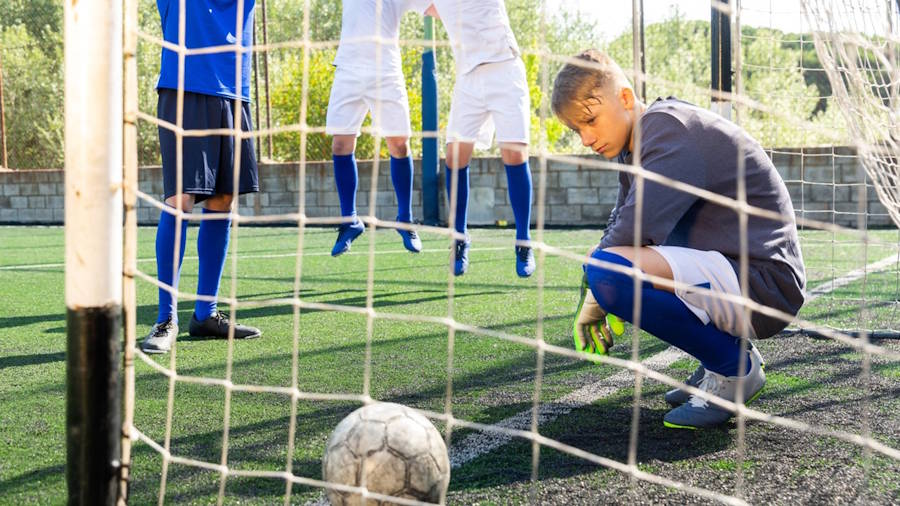
It’s the one position on the pitch where you can be a hero and a villain within the same 90 minutes. One save away from applause. One mistake away from silence.
For young players — especially within grassroots football in England — that’s a powerful lesson in responsibility, bravery and resilience.
At Kewford Eagles, we believe the goalkeeper’s role is about far more than stopping shots.
It’s about character.
Why the Goalkeeper Mentality Is Different
Most children grow up wanting to score goals.
Very few dream of standing alone, taking criticism, and preventing the moment everyone else came to celebrate.
And yet, some children are drawn to it.
Why?
Because being a goalkeeper requires something different:
- Courage
- Focus
- Patience
- Mental strength
- A willingness to take responsibility
As we’ve explored in our article on the benefits of grassroots football for children, sport develops more than technical ability — it shapes confidence and resilience.
For many young keepers, it starts simply. Diving in the mud. Playing catch. Being “the one who volunteers” when no one else wants the gloves.
But over time, the position asks more of you.
One Mistake, No Hiding
Outfield players can misplace a pass and recover.
Strikers can miss a chance and score later.
A goalkeeper’s mistake is often visible, decisive and remembered.
That reality teaches something incredibly valuable: how to cope when things don’t go your way.
In grassroots football, that lesson is gold and it’s closely linked to how football supports child development both emotionally and socially.
Learning to:
- Shake off an error
- Refocus quickly
- Keep communicating
- Stay brave after disappointment
These are life skills as much as football skills.
The Modern Goalkeeper: More Than a Shot-Stopper
The video also highlights how the role has evolved.
Today’s goalkeeper is:
- A communicator
- A leader
- Comfortable with the ball at their feet
- Agile and strong
- Calm under pressure
Even at youth level, the position encourages:
- Decision-making
- Organisation
- Reading the game
- Confidence in possession
It’s one of the most demanding roles on the pitch — physically and mentally.
At Kewford Eagles, this fits with why our club exists, to develop players as people first, footballers second.
The Highs Are Different
There’s something unique about the satisfaction of a save.
The crowd may celebrate a goal louder — but a crucial save carries its own rush.
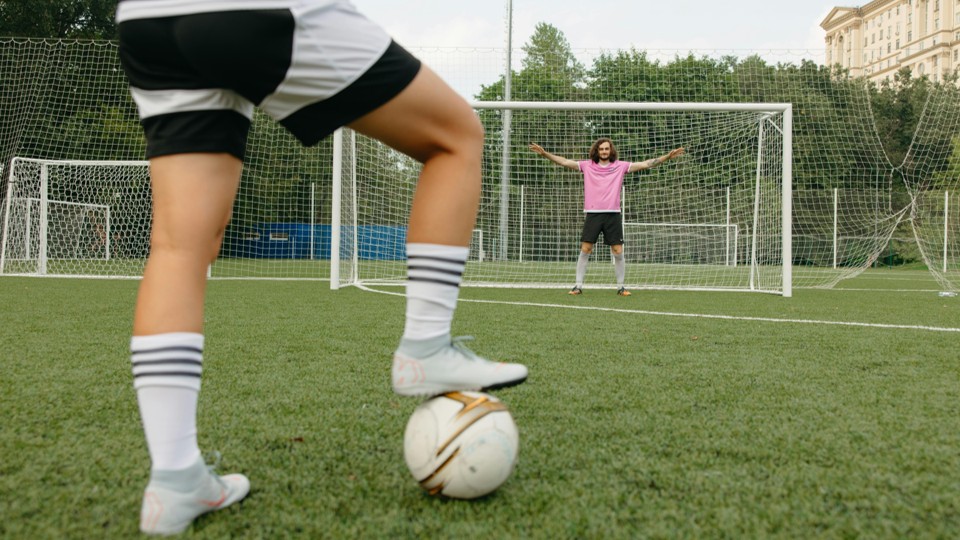
A penalty stopped.
A fingertip save at 1–1.
A clean sheet earned through concentration and discipline.
For a goalkeeper, denying a goal can feel just as powerful as scoring one.
That perspective — taking pride in protecting rather than producing — builds a different kind of confidence.
The Mental Strength to Survive
One section of the video speaks honestly about mistakes, criticism and even doubt.
That part matters.
Because mental strength isn’t about never making errors.
It’s about learning how to deal with them.
For young goalkeepers especially, we focus on:
- Supporting them after mistakes
- Reinforcing effort, not blame
- Teaching resilience
- Encouraging bravery
Grassroots football should be the safest place to learn these lessons.
Not the harshest.
The “Goalkeepers’ Union”
There’s a reason people talk about the “Goalkeepers’ Union”.
Until you’ve played in goal, you don’t fully understand:
- The isolation
- The scrutiny
- The responsibility
That shared experience creates a bond between keepers.
At youth level, that means something important:
Goalkeepers need encouragement just as much as outfield players — sometimes more.
Are Goalkeepers Really “Mad”?
There’s a long-standing joke that goalkeepers are crazy.
But maybe the better word is brave.
It takes courage to:
- Stand in front of a powerful shot
- Come for a cross in traffic
- Keep concentrating for 90 minutes with little to do
- Take responsibility for outcomes
That bravery is something we respect enormously at Kewford Eagles.
Coaching Goalkeepers the Right Way
At grassroots level, our responsibility is clear:
We develop:
- Technique
- Communication
- Confidence
- Resilience
But above all, we develop the person.
Because long after the gloves are put away, the mental strength learned in goal remains.
For Any Young Keeper Watching
If your child is drawn to goalkeeping — encourage it.
Yes, it’s demanding.
Yes, it’s different.
Yes, it can feel lonely at times.
But it’s also:
- Rewarding
- Character-building
- A position of leadership
- A place where bravery is tested and strengthened
The loneliest job in football?
Maybe.
But also one of the most important.
Thinking About Joining Kewford Eagles?
If your child is interested in football — whether in goal or out on the pitch — you can find out more about how to join Kewford Eagles and what to expect from your first session.
Every team needs a goalkeeper.
And sometimes, that goalkeeper becomes the strongest character on the pitch.